
Color Change Valves for Waterborne Paint Systems: A Complete Guide
The shift to waterborne paint is no longer optional for most automotive and industrial paint shops. Stricter VOC regulations in Europe, China, and North America have pushed manufacturers to transition away from solvent-based coatings over the past decade — and that transition puts new demands on every component in your spray system, including your color change valves.
Solvent-based paint systems were relatively forgiving. Solvents helped keep residues from hardening inside valve bodies between color changes. Waterborne coatings do not offer the same tolerance. If your color change valves are not designed or maintained for waterborne use, you will see higher rates of clogging, seal degradation, corrosion, and inconsistent atomization — all of which directly affect finish quality and line uptime.
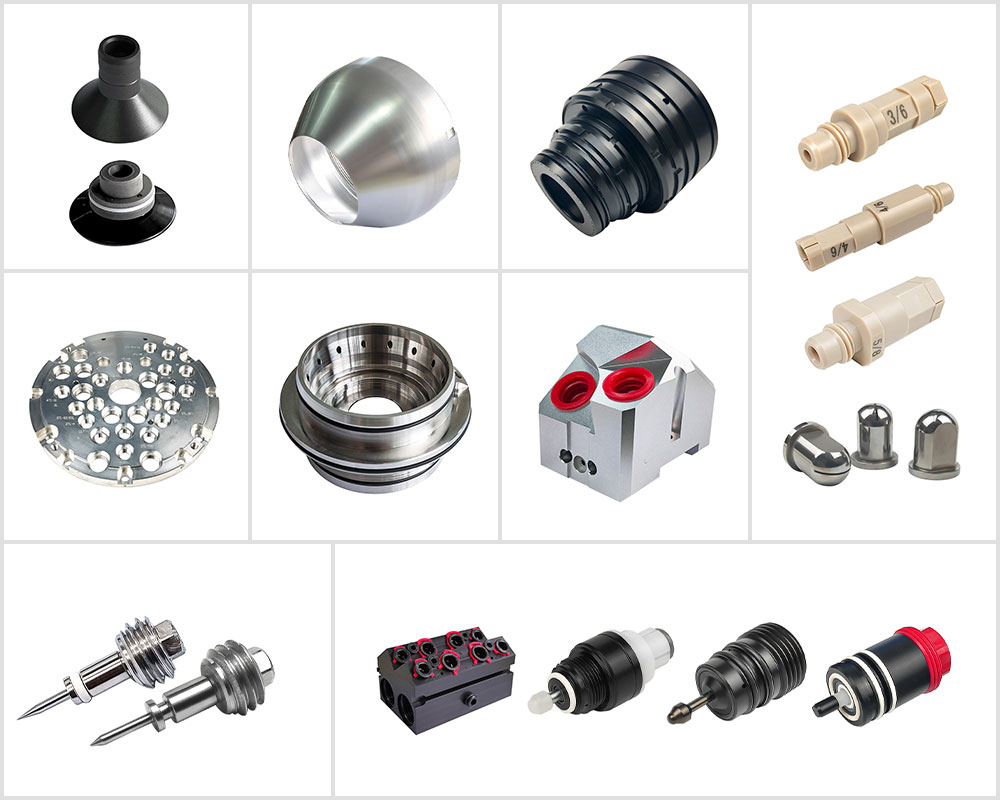
This guide covers what you need to know about selecting and operating color change valves in a waterborne paint environment.
Why Waterborne Paint Changes the Requirements
Waterborne coatings behave differently from solvent-based paints in several ways that affect valve performance.
Water evaporates more slowly than most solvents under typical shop conditions. This means paint residue inside valve passages has more time to dry and harden between cycles if purging is incomplete. In high-cycle environments — automotive body lines running 60 or more vehicles per hour — incomplete purging becomes a practical reality, and your valve design needs to account for it.
Water is more corrosive than solvent carriers toward certain metals and elastomers. Standard valve components designed for solvent systems may experience accelerated seal degradation, pitting on valve seats, or corrosion in stainless steel components with inadequate surface finishing when exposed to waterborne formulations over time.
Waterborne coatings are electrically conductive. This is a critical issue in electrostatic spray systems. Solvent-based paints are generally non-conductive, allowing direct connection between the paint supply and a high-voltage atomizer. Waterborne paints require electrical isolation systems — insulation blocks, isolated hoses, or dedicated isolation units — to prevent high-voltage discharge from traveling back through the paint supply. Your color change valve arrangement must be compatible with whatever isolation architecture your system uses.
Waterborne paint rheology can be more sensitive to temperature and shear. If your color change valves cause turbulent flow during transitions, you may see viscosity changes or micro-bubbles in the paint stream that affect atomization quality at the gun.
What to Look for in a Color Change Valve for Waterborne Systems
When evaluating color change valves for a waterborne paint application, focus on these design and material characteristics.
Seal Material Compatibility
The seals in your color change valves are in continuous contact with the paint medium. For waterborne systems, PTFE seals are the standard choice — they resist water absorption, maintain dimensional stability, and are chemically inert to most waterborne formulations including two-component polyurethane and epoxy systems.
EPDM seals are sometimes used in water-only flush systems but are generally not recommended for direct contact with waterborne coatings that contain binders or additives. NBR seals, commonly found in solvent-system valves, absorb water and swell over time, leading to increased actuation force, seat leakage, and premature failure in waterborne environments.
Confirm that any valve you specify lists PTFE seals as the standard configuration for waterborne applications, not as an optional upgrade.
Internal Surface Finish
Smooth internal surfaces minimize paint adhesion and make purging more effective. For waterborne paint paths, internal surfaces should be polished to Ra 0.8 micrometer or better. Rough or machined surfaces create micro-pockets where paint can accumulate, dry, and eventually break loose as particulate contamination in your paint stream.
Hongguang color change valves are manufactured with polished stainless steel internal passages as standard across all valve sizes, from 2-station modules to 24-color configurations.
Purge Volume and Passage Design
Efficient purging is the most effective way to prevent waterborne paint buildup inside valve bodies. Valves with short, straight flow paths and minimal dead volume purge cleanly with less solvent and less cycle time than valves with complex internal geometries.
When reviewing valve specifications, ask the manufacturer for the internal dead volume per valve station and the recommended purge volume per color change. Compare these numbers against your current cycle time budget. A valve that requires significantly more purge time than your current design will create a bottleneck on high-speed lines.
Compatibility with Isolation Architecture
If your system uses an isolation unit or insulated paint supply to manage electrical conductivity, verify that the valve manifold and connection fittings are compatible with your isolation system. Some valve designs require specific grounding arrangements; others include built-in isolation as part of the valve manifold design.
For electrostatic systems applying waterborne paint, confirm that any replacement valves maintain the electrical isolation requirements of the original system design. This is a safety and regulatory requirement.
Cycle Life Rating
Waterborne environments accelerate wear on valve seats and seals compared to solvent systems, particularly in high-speed production. A valve rated for 1 million cycles in solvent service may deliver significantly fewer cycles before requiring seal replacement in waterborne service.
Specify valves with cycle life ratings tested under waterborne conditions. Hongguang color change valves carry a rated cycle life of 2.5 million cycles under standard operating conditions, with seal change intervals documented for both solvent and waterborne service.
Common Problems in Waterborne Color Change Systems
Valve clogging after idle periods
Cause: Paint drying inside valve passages during production stops or shift changes. Most common in single-component waterborne paints with faster dry times.
Solution: Implement a periodic purge cycle during planned stops longer than 15 minutes. Configure your system controller to run a short solvent flush through inactive paint circuits during breaks. Review valve dead volume — valves with lower dead volume are less susceptible to this problem.
Increased actuation force or sluggish valve response
Cause: Seal swelling due to water absorption, or paint buildup on the valve stem.
Solution: Replace seals with PTFE-compatible alternatives. If paint buildup is the cause, review purge completeness and increase purge volume on affected circuits.
Visible color contamination in first shots after color change
Cause: Incomplete purging leaving residual paint in valve dead volume or connecting hoses.
Solution: Increase purge volume on the affected circuit. Review hose routing for trap points where paint can pool. Consider upgrading to a valve design with lower internal dead volume if the problem persists.
Pitting or discoloration on valve bodies
Cause: Corrosion from waterborne formulations with low pH or aggressive additive packages. More common with valves using lower-grade stainless steel or inadequate surface treatment.
Solution: Verify valve material specification. Bodies should be 316L stainless steel minimum for waterborne service. If you are using valves from a solvent-era system, plan for replacement rather than continued operation in waterborne service.
Converting an Existing System to Waterborne Paint
If you are converting a previously solvent-based paint shop to waterborne coatings, your color change valves should be part of the conversion assessment. Not all valves from solvent systems are suitable for continued use with waterborne paint.
Before converting, complete the following checks on your existing color change valve installation.
- Identify the seal material in every valve station. If seals are NBR or EPDM, plan for seal replacement with PTFE alternatives before or immediately after conversion.
- Check the valve body material. If bodies are not 316L stainless steel, evaluate corrosion risk based on the specific waterborne formulation you will be using.
- Review internal surface condition. If valves have been in service for several years under solvent conditions, internal surfaces may have accumulated residues that are incompatible with waterborne cleaning chemistry. Consider a professional cleaning or valve replacement before conversion.
- Verify compatibility with your isolation system. If you are adding electrostatic application capability as part of the conversion, the valve arrangement must support the required electrical isolation.
- Update your purge parameters. Purge volumes and cycle times optimized for solvent-based paint will typically need to be increased for waterborne service. Work with your paint supplier to establish recommended purge parameters for your specific formulation.
Hongguang Color Change Valves for Waterborne Applications
Hongguang manufactures color change valves at our Chongqing facility. Our valves are standard-configured for waterborne paint service.
- 316L stainless steel valve bodies with polished internal surfaces (Ra 0.8 micrometer or better)
- PTFE seals as standard across all valve sizes
- Rated cycle life: 2.5 million cycles
- Compatible with 12 to 24 color configurations
- Direct replacement compatibility with Nordson, SAMES, and Durr valve arrangements
- Full documentation package: material certificates, cycle life test data, seal change intervals, installation drawings
We supply color change systems to automotive OEM paint shops and Tier-1 paint line integrators. Standard lead time for replacement valves is 2 to 4 weeks. Stocked configurations are available for same-week dispatch.
If you are planning a waterborne conversion or replacing valves in an existing waterborne system, send us your current valve specification and production requirements. We will confirm compatibility and provide a technical recommendation within 24 hours.
Frequently Asked Questions
Can I use my existing solvent-system color change valves with waterborne paint?
In some cases yes, if the valves use PTFE seals and 316L stainless steel bodies. The key risk factors are seal material and internal surface condition. NBR or EPDM seals will degrade in waterborne service. Have your existing valves inspected by a qualified technician before committing to continued use.
How often should seals be replaced in waterborne service?
This depends on cycle rate, paint chemistry, and operating temperature, but a general guideline is to inspect seals every 500,000 to 800,000 cycles in waterborne service — compared to every 1 to 1.5 million cycles in solvent service. Your valve manufacturer should provide documented service intervals for waterborne applications.
What is the correct purge sequence for waterborne color change valves?
A standard purge sequence for waterborne systems typically involves: air purge to displace bulk paint, solvent flush to dissolve residue, and a second air purge to remove solvent. The specific volumes and timing depend on your valve dead volume and the paint formulation. Consult your paint supplier for recommended parameters for your specific system.
Are Hongguang valves compatible with existing Nordson or SAMES manifolds?
Our standard valve configurations are dimensionally compatible with common Nordson and SAMES manifold arrangements. For specific compatibility confirmation, send us your current valve part number or manifold drawing and we will confirm before shipment.
Do you supply valves for two-component waterborne systems?
Yes. Two-component waterborne systems require additional considerations around pot life management and mixing point placement, but the color change valve requirements for the A-component circuit are similar to single-component waterborne systems. Contact us with your 2K system specifications for a specific recommendation.